
As the days grow shorter and temperatures start to drop, it’s time to transition your summer garden into a vibrant fall paradise. With the right planning and some strategic planting, you can extend your gardening season and enjoy a bountiful harvest well into the autumn months. In this guide, we’ll walk you through the steps to update your summer garden into a flourishing fall garden.
1. Evaluate Your Summer Garden
Before making any changes, assess the current state of your summer garden. Take note of which plants are still thriving and producing, as well as any that have started to decline. This evaluation will help you decide which areas of your garden to repurpose for fall planting.
2. Choose Suitable Fall Plants
Selecting the right plants for your fall garden is crucial. Look for varieties that are well-suited to cooler temperatures and shorter daylight hours. Some excellent options include:
- Leafy Greens: Plant cool-season favorites like kale, spinach, lettuce, and Swiss chard. These greens thrive in the fall and can withstand light frosts.
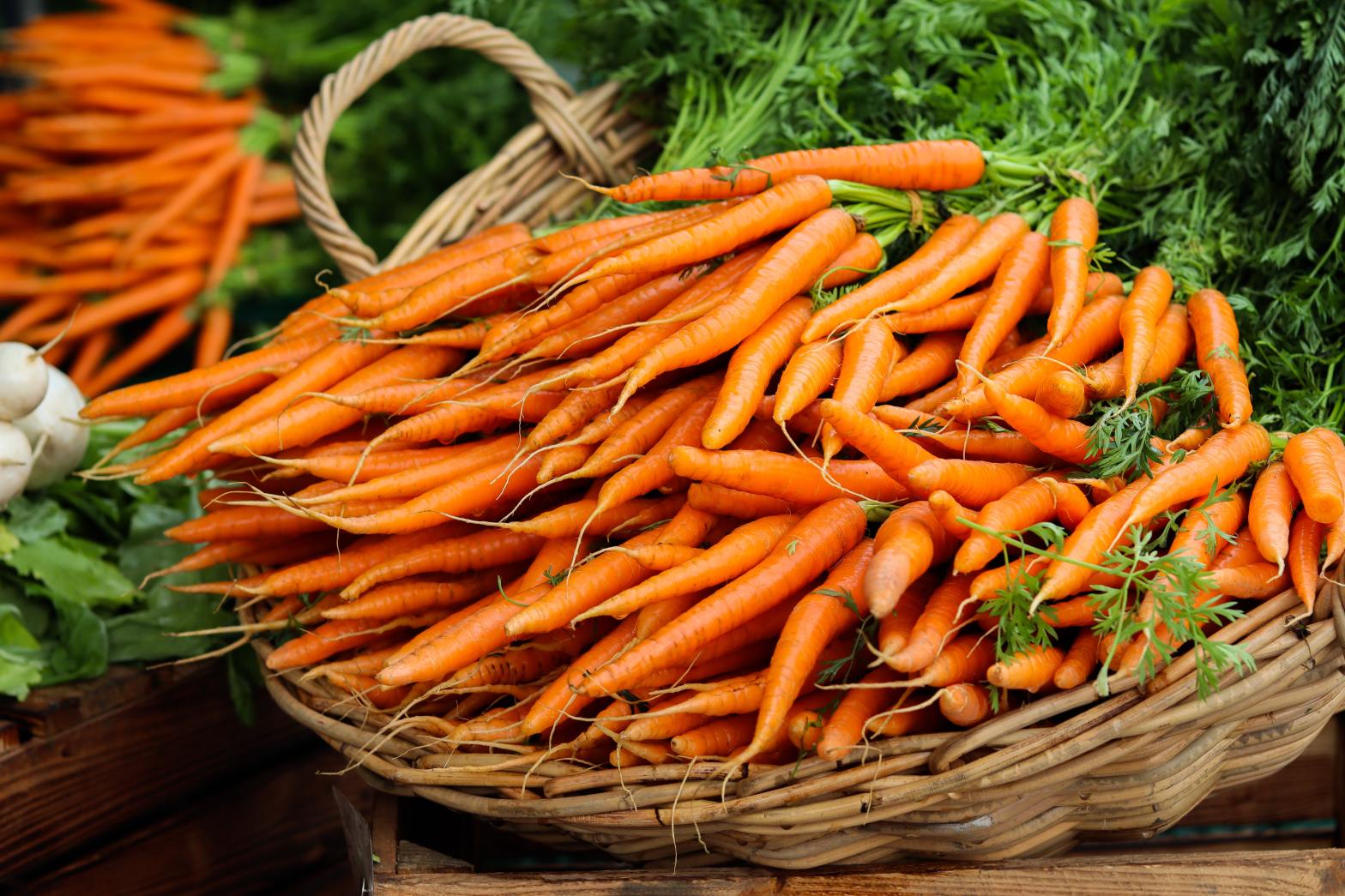
- Root Vegetables: Carrots, beets, turnips, and radishes are ideal for fall planting. Their flavors tend to improve as temperatures drop.
- Cruciferous Vegetables: Broccoli, cauliflower, and Brussels sprouts can produce a late-season harvest if planted in late summer.
- Herbs: Many herbs, such as parsley, cilantro, and chives, flourish in cooler weather.
- Flowering Plants: Add color and beauty to your fall garden with pansies, mums, and ornamental cabbage.
3. Prepare the Soil
Ensure your garden soil is well-prepared for your new fall crops. Remove any spent summer plants and weeds, and amend the soil with compost to replenish nutrients. Loosen the soil to a depth of at least 6 inches to promote root growth.
4. Plant Strategically
When planting your fall crops, consider the following tips:
- Succession Planting: Plant seeds or transplants at staggered intervals to ensure a continuous harvest throughout the fall.
- Use Season Extenders: Consider using row covers or cloches to protect your crops from early frosts and extend the growing season.
- Choose the Right Location: Plant cold-sensitive crops where they can receive the most sunlight during the shorter fall days.
5. Maintain Consistent Care
Just like in the summer, your fall garden will require regular care. Keep these points in mind:
- Watering: Ensure your plants receive consistent moisture, especially during dry spells. Water early in the day to allow foliage to dry before nighttime, reducing the risk of fungal diseases.
- Mulching: Apply a layer of mulch around your fall crops to help regulate soil temperature and retain moisture.
- Fertilizing: Continue to feed your plants with a balanced fertilizer as needed, following package instructions.
- Pest and Disease Control: Monitor for pests and diseases that may become more active in the fall. Take action promptly to prevent infestations.
6. Enjoy the Harvest
As your fall crops mature, start harvesting when they reach their peak flavor and size. Leafy greens and root vegetables are often at their best flavor after experiencing a light frost. Remember to use freshly harvested produce in your favorite fall recipes.
7. Extend the Season Further
To push your fall gardening season even further, consider investing in a small greenhouse or cold frame. These structures provide extra protection from frost and cold temperatures, allowing you to grow even more cold-tolerant crops.
Transitioning your summer garden into a flourishing fall garden is a rewarding endeavor that allows you to enjoy fresh produce well into the autumn months. By selecting suitable plants, preparing the soil, and providing proper care, you can create a beautiful and productive garden that embraces the changing seasons. With a little planning and effort, your garden can continue to thrive as the leaves turn and fall. Happy fall gardening!
 How to Cultivate