
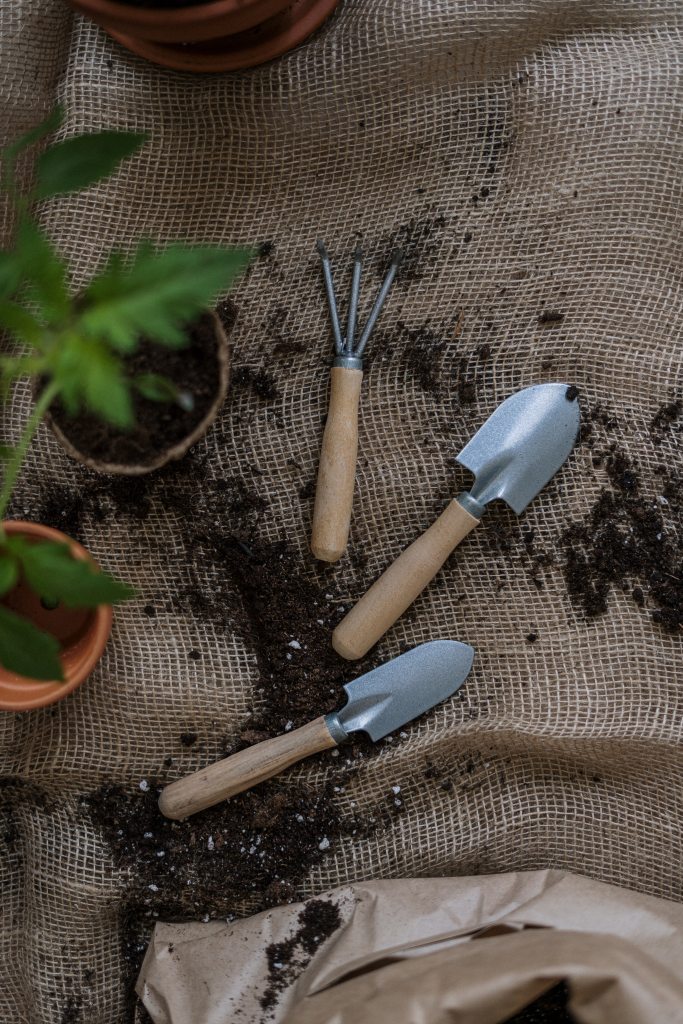
If you’re new to gardening and looking to grow your own fruits and vegetables, planting your garden can be a daunting task. However, with the right knowledge and tools, planting your garden can be an enjoyable and rewarding experience. Here are some tips on how to plant your garden:
- Start with quality seeds or seedlings: The first step to planting your garden is starting with quality seeds or seedlings. When choosing seeds or seedlings, make sure to select varieties that are suitable for your climate and soil conditions. You can find a wide selection of seeds and seedlings at your local nursery or online.
- Remember to prepare the soil before planting: This includes removing any weeds, rocks, or debris, and adding compost or other organic matter to enrich the soil. Make sure the soil is moist but not too wet, as this can lead to poor drainage.
- Dig holes or furrows: Once you have planned the layout of your garden, it’s time to dig holes or furrows for your seeds or seedlings. Make sure the holes are deep enough to accommodate the roots of the plant. If you’re planting seeds, follow the instructions on the seed packet for the proper depth and spacing.
- Plant the seeds or seedlings: Carefully plant your seeds or seedlings in the holes or furrows, making sure not to damage the roots. If you’re transplanting seedlings, gently loosen the roots before planting to encourage growth. Make sure the soil is firmly packed around the plant to provide support.
- Water the plants: After planting, water the plants thoroughly to help them establish roots. Make sure to water the plants regularly, especially during hot, dry weather. Avoid getting water on the leaves, as this can lead to disease.
- Mulch around the plants: Mulching around the plants can help retain moisture and suppress weeds. You can use organic materials like straw, grass clippings, or leaves as mulch.
- Monitor and care for your plants: Monitor your plants regularly for signs of pests or disease. Remove any weeds that sprout up, and fertilize the plants as needed. You can use organic fertilizers like compost or fish emulsion to provide nutrients.
In conclusion, planting your garden can be an enjoyable and rewarding experience, especially when you get to harvest your own fresh fruits and vegetables. By following the steps above you can enjoy a bountiful harvest of fresh produce. With a little effort and care, your garden can thrive and provide you with delicious, homegrown fruits and vegetables.
 How to Cultivate