
Gardening enthusiasts often face the challenge of wanting to grow fresh produce all year round, regardless of the seasons. Fortunately, with the right strategies and tools, you can extend your growing season and enjoy a continuous supply of homegrown vegetables, herbs, and even some fruits. In this guide, we will explore various methods to help you prolong your gardening season and harvest fresh produce in every season.
1. Choose the Right Plants:
Selecting the right plant varieties is crucial for year-round gardening success. Opt for cold-hardy vegetables like kale, spinach, and carrots that can withstand cooler temperatures, or invest in heat-tolerant varieties for summer gardening. Additionally, consider dwarf or compact fruit trees for a space-saving solution.
2. Use Season Extenders:
Season extenders are designed to protect your plants from harsh weather conditions and temperature fluctuations. Some popular options include:
- Row Covers: Lightweight fabric covers can be draped over plants to provide frost protection and extend the growing season in early spring and late fall.
- Cold Frames: These miniature greenhouses capture and retain heat, allowing you to start plants earlier in the spring and keep them growing later into the fall.
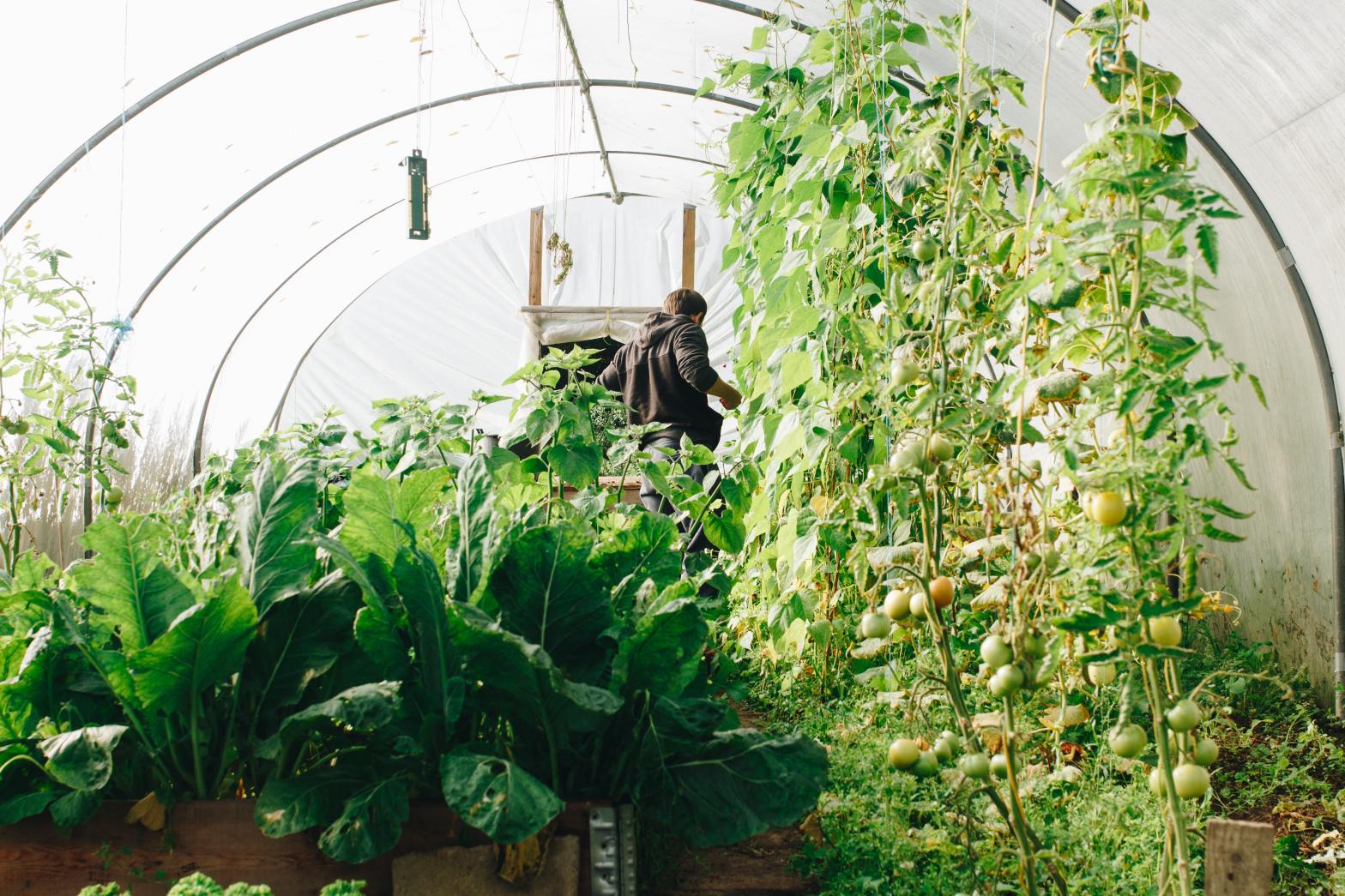
- High Tunnels and Greenhouses: These structures offer temperature control and can accommodate a wide range of crops, allowing you to grow year-round in many regions.
3. Implement Succession Planting:
Succession planting involves sowing seeds or transplanting seedlings at intervals to ensure a continuous harvest. By planting new crops as others are harvested, you can maximize your garden’s productivity throughout the year.
4. Raised Beds and Container Gardening:
Raised beds and containers warm up faster in the spring, which means you can start planting earlier. They also provide better drainage, preventing waterlogged soil during heavy rains. This versatility allows for gardening on patios, balconies, or even rooftops.
5. Indoor Gardening:
Bringing your gardening indoors expands your growing season significantly. Consider growing herbs, microgreens, and dwarf fruit trees on windowsills, under grow lights, or in dedicated indoor garden spaces. Many vegetables and herbs thrive in indoor conditions with proper care.
6. Heated Propagation Mats:
Propagation mats with adjustable temperature settings provide ideal conditions for germinating seeds and rooting cuttings during colder months. They accelerate seedling growth, allowing for earlier transplanting.
7. Proper Soil Management:
Healthy soil is the foundation of successful gardening. Implement good soil management practices, such as mulching, composting, and using organic matter to improve soil structure and fertility. Well-nourished soil will support plants during the extended growing season.
8. Monitor and Control Temperature:
Invest in a thermometer to monitor temperature variations in your garden, especially during the shoulder seasons. You can adjust your season extenders accordingly to maintain optimal growing conditions.
9. Crop Selection for Each Season:
Plan your garden to include a variety of crops for each season. For example:
- Spring: Start with cool-season crops like lettuce, radishes, and peas.
- Summer: Transition to heat-loving plants like tomatoes, peppers, and basil.
- Fall: Return to cool-season crops, including kale, broccoli, and carrots.
- Winter: Focus on hardy vegetables such as Brussels sprouts, spinach, and winter squash.
10. Stay Informed and Experiment:
Gardening is a dynamic process, and climate conditions can vary from year to year. Stay informed about your local climate and weather patterns. Don’t be afraid to experiment with new techniques and varieties to see what works best for your unique growing conditions.
Extending your growing season is not only achievable but also immensely rewarding. By implementing these tips and techniques, you can enjoy a year-round supply of fresh, homegrown produce and explore the joys of gardening in all seasons. Whether you’re a beginner or a seasoned gardener, the journey of year-round gardening is both educational and fulfilling. Happy gardening!
 How to Cultivate